
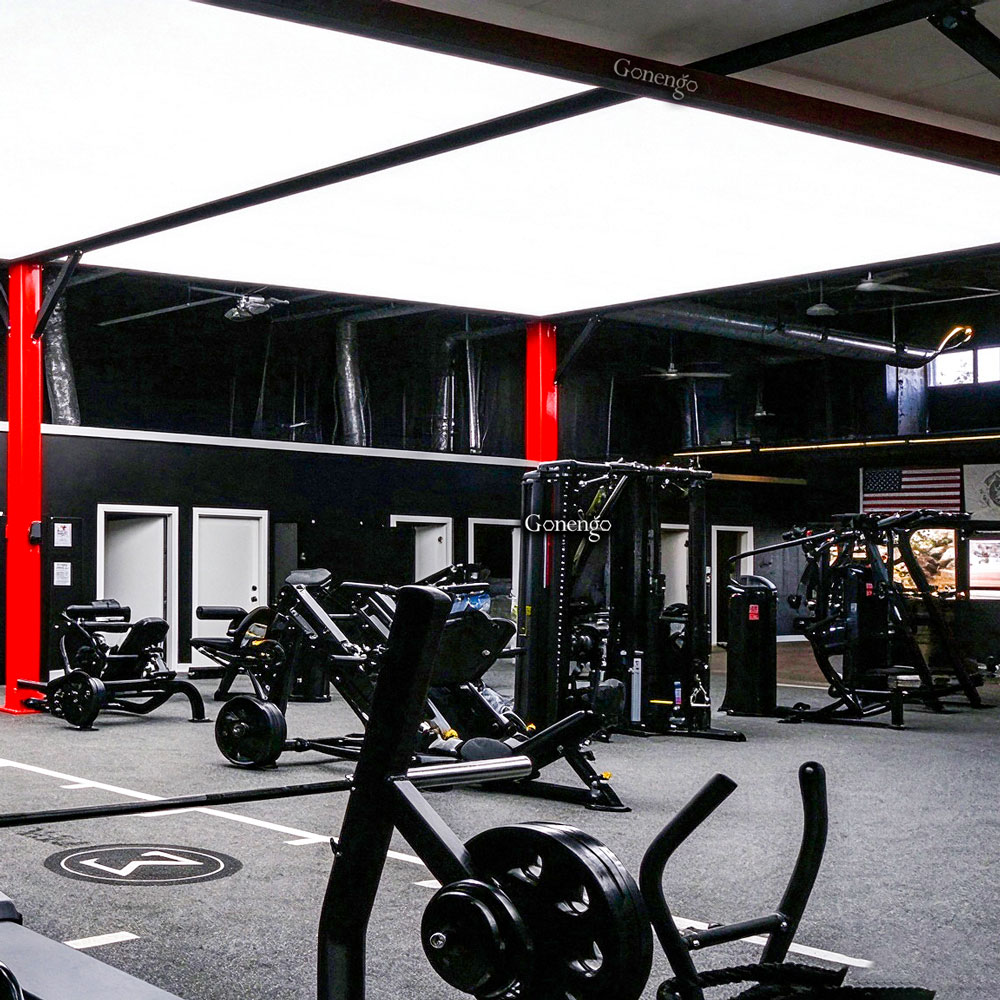
I want my gym to have bright, stable illumination that supports every workout, from early morning cardio to late evening strength training. Since I spend hours exercising, I pay attention to how well my fixtures perform during repeated daily use. A durable light box for gym ceiling can help me maintain even brightness across training areas while supporting a clean, organized appearance. I prefer products with sturdy housings, reliable electrical components, and consistent output because frequent replacements interrupt my routine. By observing how my gym operates throughout the day, I can identify the illumination features that matter most to my training experience. My goal is to create a practical space where I can concentrate on movement, monitor my form, and complete each session with confidence.
Table of Contents
Testing Structural Strength
I examine the materials used in each fixture before making a purchasing decision. A strong outer housing can protect internal components against ordinary bumps, vibration, and the wear associated with busy fitness facilities. For a garage light box, I also look at the quality of the diffuser, mounting hardware, and electrical connections. Secure construction helps reduce the chance of loose parts after months of regular use. I prefer smooth surfaces that are easy to wipe clean because dust and sweat can accumulate around exercise equipment. Metal housings and durable diffusers may offer practical advantages, although the actual performance depends on the materials, manufacturing quality, and product specifications. I always review these details rather than judging durability by appearance alone.
Keeping Brightness at Expected Levels
Consistent brightness matters to me because different workouts involve different visual tasks. I want enough illumination to read equipment displays, check my posture in mirrors, and move safely between machines. A fitness gym light box should provide stable output without distracting flicker or sudden changes in brightness. I also examine the color rendering index because natural looking colors help me distinguish clothing, equipment markings, and other details. A suitable color temperature can support the atmosphere I prefer, whether I enjoy a neutral white appearance or a cooler tone for an energetic workout area. I review technical specifications and available test information before deciding whether a product can maintain the visual consistency I expect during regular training.
Controlling Heat and Electrical Risks
Long operating hours make heat management an important part of my assessment. I look for fixtures designed to dissipate heat effectively because excessive internal temperatures may shorten the service life of electronic components. A gym ceiling light box should also include suitable electrical protection and comply with applicable safety standards. I check the rated input voltage, driver quality, ingress protection rating, and installation instructions before approving a product for my gym. Areas near showers or cleaning stations may call for a higher level of moisture protection than dry workout zones. I also prefer products supported by clear documentation and a warranty. These details give me a more realistic picture of long term performance than a low purchase price alone.
Choosing an Ideal Lighting System
For my gym, I would consider the ZG/E1013 ceiling light box as a potential choice for areas that require broad, even illumination. Before purchasing, I would confirm its dimensions, output, power consumption, color temperature, color rendering index, driver specifications, and mounting requirements with the manufacturer. I would also request information about its expected service life and warranty coverage. A suitable gym light box should match the height of the installation area and provide useful coverage without creating distracting glare for people exercising beneath it. I would compare the product specifications with my gym layout, equipment arrangement, and daily operating schedule. This approach helps me judge whether the fixture suits my facility instead of relying on its appearance or product name alone.
Creating Balanced Lighting for Training Zones
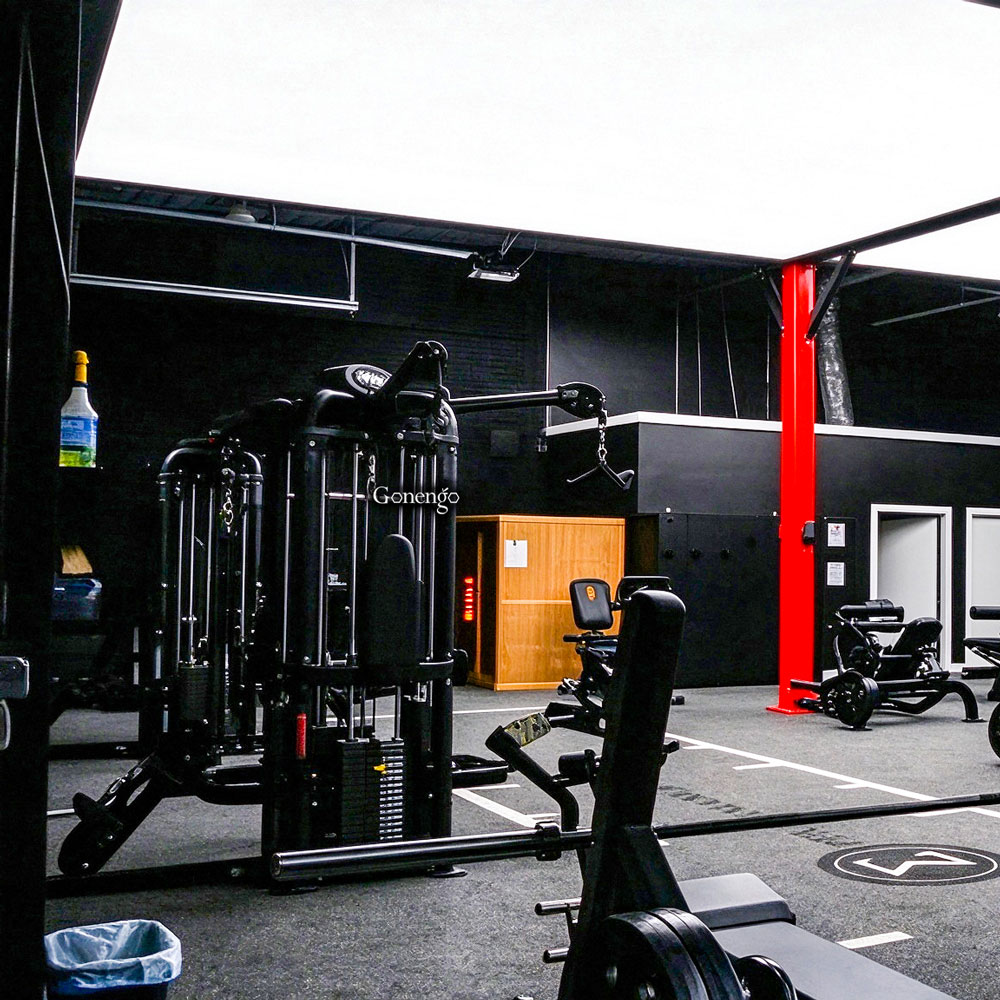
I divide my gym into functional zones because treadmills, free weights, stretching mats, and group exercise areas involve different activities. My aim is to maintain consistent visibility without leaving dark patches between fixtures. A gym detailing light box can contribute to broad coverage if its beam distribution and mounting position suit the room dimensions. I check the manufacturer’s photometric information and, where possible, review a lighting layout before installation. I also pay attention to glare around mirrors and reflective equipment, since excessive brightness in these locations can distract me during exercise. For larger facilities, I prefer a planned arrangement that supports both general illumination and focused visibility in specific training zones. This helps me use electricity sensibly while maintaining a clear view throughout the gym.
Calculating Total Ownership and Upkeep Costs
I compare the expected lifetime cost of each fixture rather than looking only at its initial price. A product with a higher purchase cost may prove economical if it uses less electricity, maintains its output, and lasts longer under regular use. For every gym light box I review, I examine the rated wattage, estimated service life, warranty terms, and availability of replacement components. I also ask whether routine cleaning can be completed easily and whether repairs would interrupt gym activities. Manufacturer claims are useful, but I prefer documented test results and clearly stated operating conditions. By recording these details, I can compare products on a consistent basis and estimate future expenses more accurately. My priority is to reduce avoidable maintenance while keeping illumination dependable throughout the year.
LED Ceiling Box Lighting for Daily Use
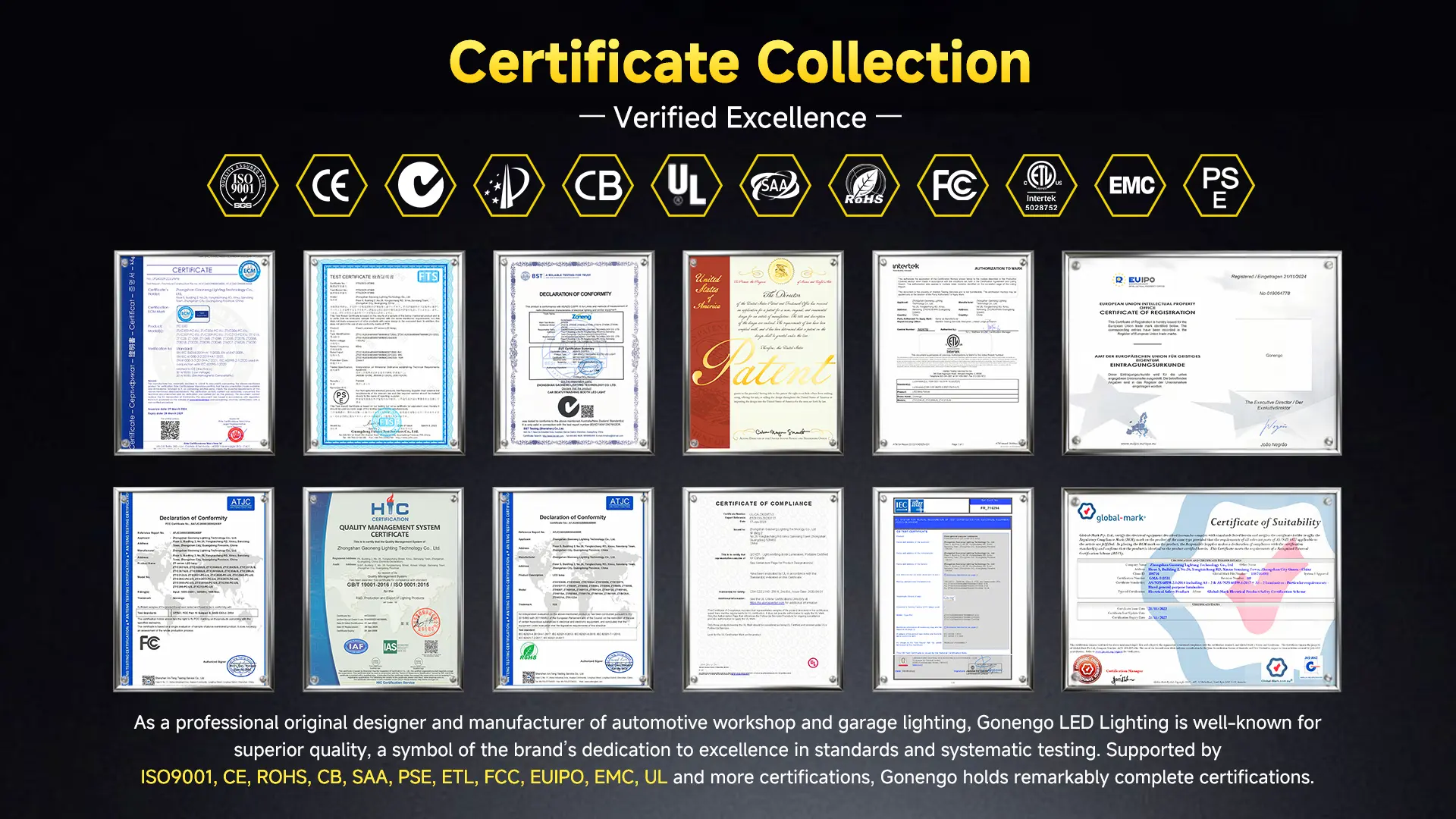
I recommend LED ceiling box lighting for my gym illumination project due to its international certification coverage, patented technologies, and commitment to quality management. 100+ Global Certifications cover multiple markets, including Australia with SAA and C-Tick, North America with UL, ETL, and FCC, Europe with CE and RoHS, international markets with CB, Japan with PSE, India with BIS, and China with CCC, alongside the ISO 9001 International Quality Management System standard. These certifications and standards provide useful reference points for reviewing product compliance, manufacturing processes, and market specific requirements, subject to the scope of each certificate. Gonengo also reports 260+ Global Patents and 17 Trademarks, demonstrating its investment in intellectual property and product development. For my gym, these credentials make Gonengo LED ceiling light box a candidate worth reviewing for durable illumination, stable daily performance, and long term facility use, while I verify the specifications, applicable certificates, and installation suitability of the individual product before purchasing.
Designing a Durable Gym Lighting Plan
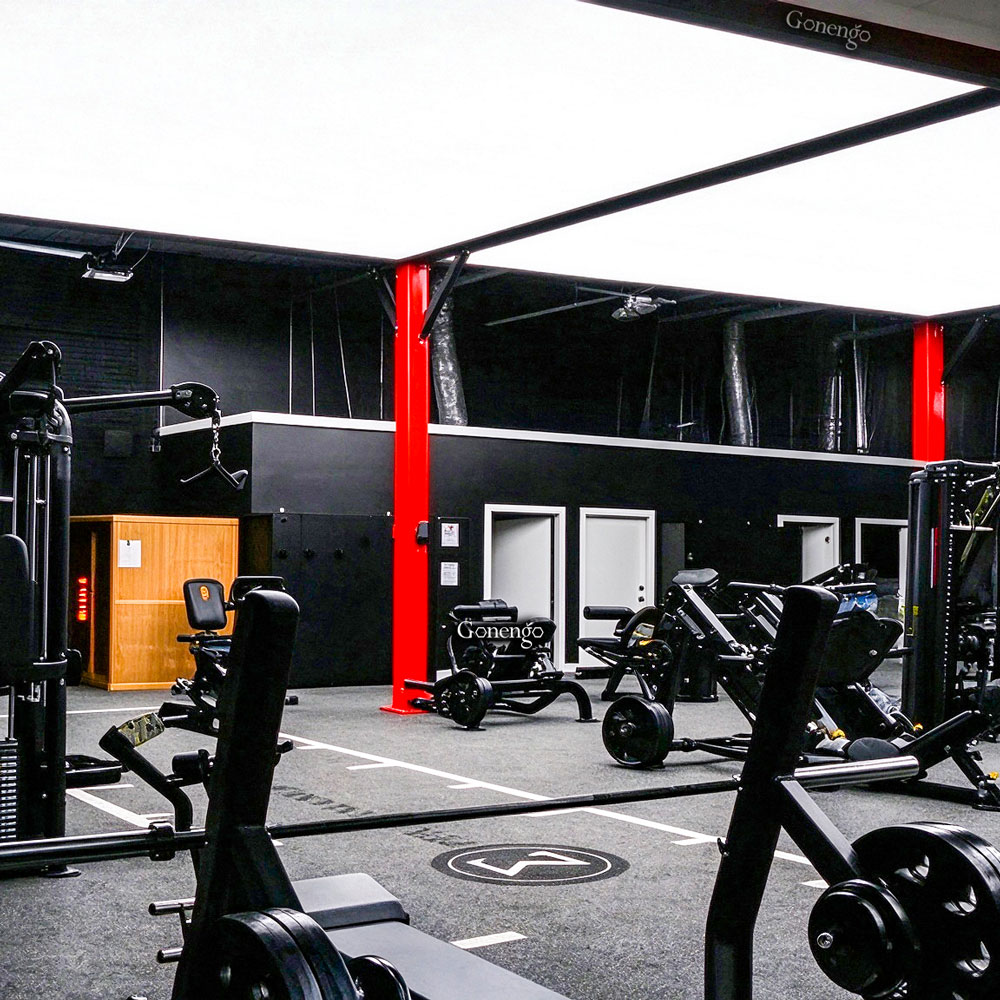
I view durable gym illumination as a long term investment in daily training and facility management. I focus on sturdy construction, stable brightness, effective heat dissipation, electrical safety, and manageable maintenance costs before committing to any purchase. I also check that each fixture matches the intended installation location and complies with local electrical requirements. A carefully specified training gym light box can support clear visibility across exercise zones, provided its output and distribution suit the room. After installation, I monitor brightness, unusual flickering, discoloration, and signs of physical damage so I can address problems early. I keep product documents and warranty information available for future maintenance. With regular inspections and thoughtful product selection, I can maintain a gym that remains bright, practical, and ready for everyday workouts.