
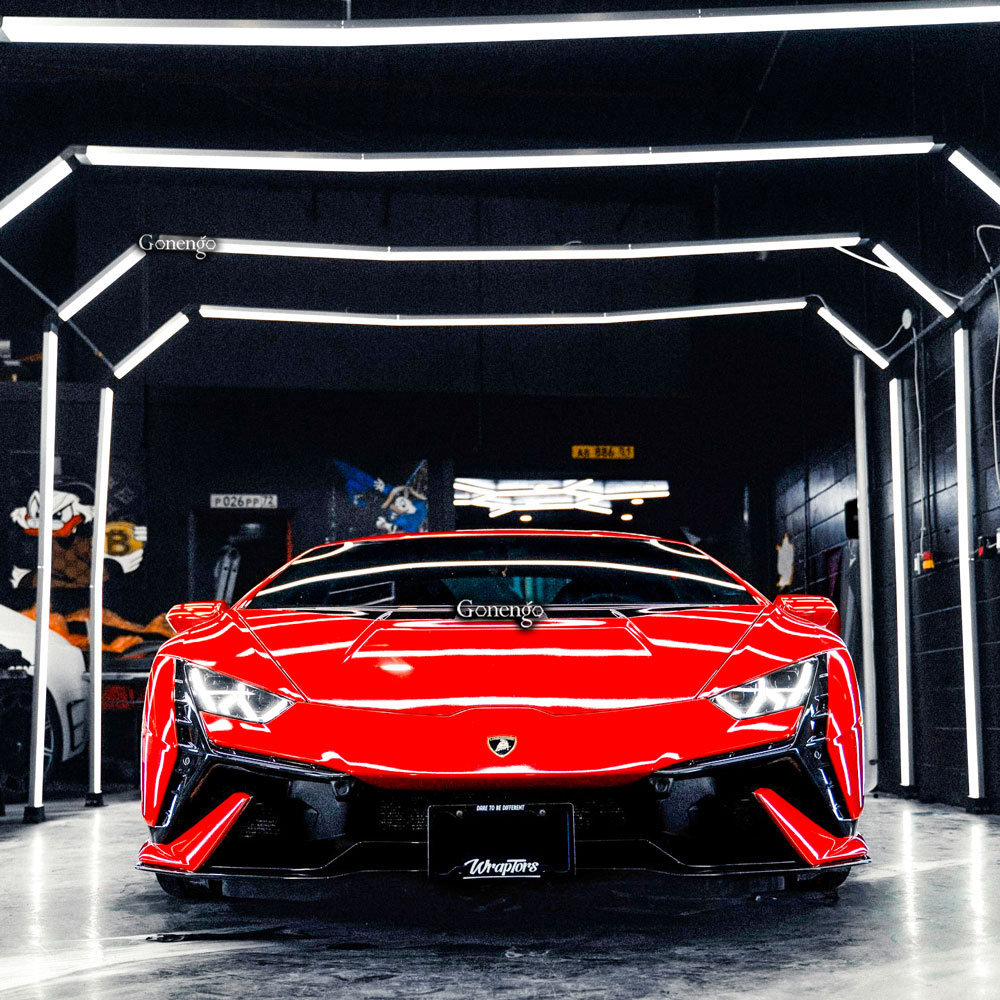
When I run an auto repair shop, I want every job to move smoothly, from routine inspections to complicated engine repairs. Good visibility helps me inspect small parts, identify worn components, and keep my work accurate throughout the day. I rely on car shop LED tunnel lights to illuminate dark vehicle interiors, inspection areas, and narrow spaces beneath raised cars. However, I have found that brightness alone does not tell me whether a lamp will last through years of demanding workshop use. I also consider construction quality, heat control, electrical safety, and resistance to dust and moisture. By assessing these details together, I can invest in equipment that supports reliable daily work without frequent replacements.
Table of Contents
Materials and Installation Methods
My first consideration is the physical construction of an LED lighting tunnel. In an automotive workshop, tools may bump against equipment, dust can collect on surfaces, and vibration may affect fixtures over time. I favor durable automotive inspection lights with sturdy housings, secure connections, and reliable mounting hardware. Metal housings can provide useful strength and heat dissipation, while well sealed components help protect sensitive electronics. I also inspect cables, connectors, and protective covers before purchasing. For vehicle service bay LED lights, these details matter because a lamp may operate for many hours each day. I prefer products with clear specifications and a documented warranty instead of relying on attractive packaging or broad claims about durability.
LED Energy Efficiency
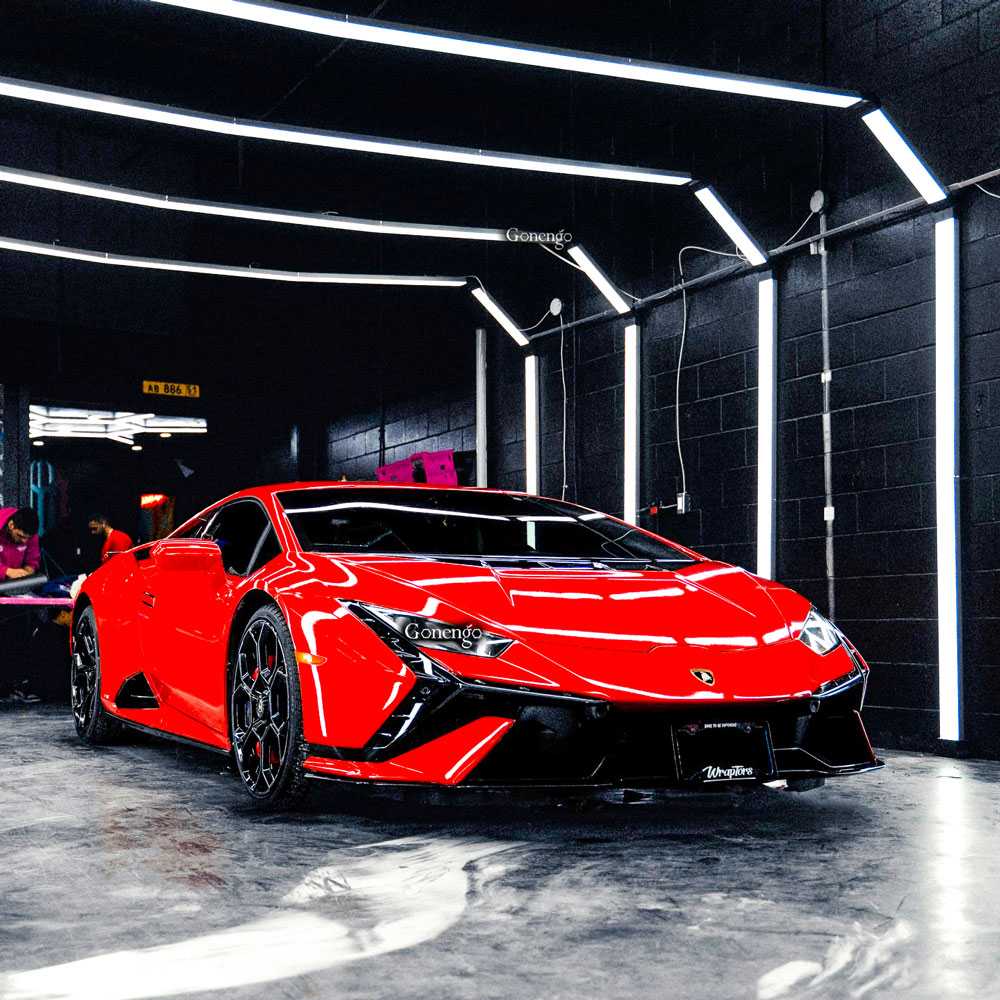
I judge car detailing LED light tunnels by their practical performance rather than their advertised brightness alone. High quality workshop LED tunnel lights should provide consistent illumination, natural looking color, and limited glare during close inspection. A suitable color rendering index helps me distinguish fluid stains, paint differences, damaged wiring, and subtle changes in component condition. I also compare lumen output with the size and purpose of each work area. Excessive brightness can create distracting reflections on polished metal, while weak output can hide small defects. For long lasting LED tunnel lights for automotive repair, I check published operating life, thermal protection, and test information. These details help me estimate long term value instead of focusing only on the initial purchase price.
Heat Control and Energy Use
Heat management is another major factor in my purchasing decisions. LEDs can last for many years, but excessive operating temperatures may shorten their useful life and affect electronic components. I therefore review heat sink design, ventilation provisions, driver quality, and stated operating temperature limits. Energy efficient LED tunnel lights for mechanic workshops can also reduce electricity use when compared with older, less efficient alternatives, particularly when they operate throughout a full business day. I pay attention to the warranty period and whether replacement parts are available. When reviewing industrial LED tunnel lights for vehicle maintenance, I favor manufacturers that publish technical information and provide dependable after sales support. A modest purchase price means little if repeated failures interrupt work and increase maintenance costs.
Exploring Tunnel Light Applications
For a shop that inspects vehicles in enclosed service passages or specialized inspection areas, I would consider the ZG/E1009 light tunnel as one option worth reviewing. Before purchasing, I would request its technical datasheet, ingress protection rating, rated operating life, material specifications, and warranty terms. I would also verify its electrical compatibility and confirm that its beam distribution suits the intended inspection task. Durable inspection LED tunnel lights should provide consistent illumination while standing up to frequent use and workshop conditions. I would compare the product with other industrial inspection lamps using measurable specifications rather than relying solely on promotional descriptions. This approach helps me assess whether the product offers lasting value for my particular automotive service operation.
Lighting Design for Repair Operations
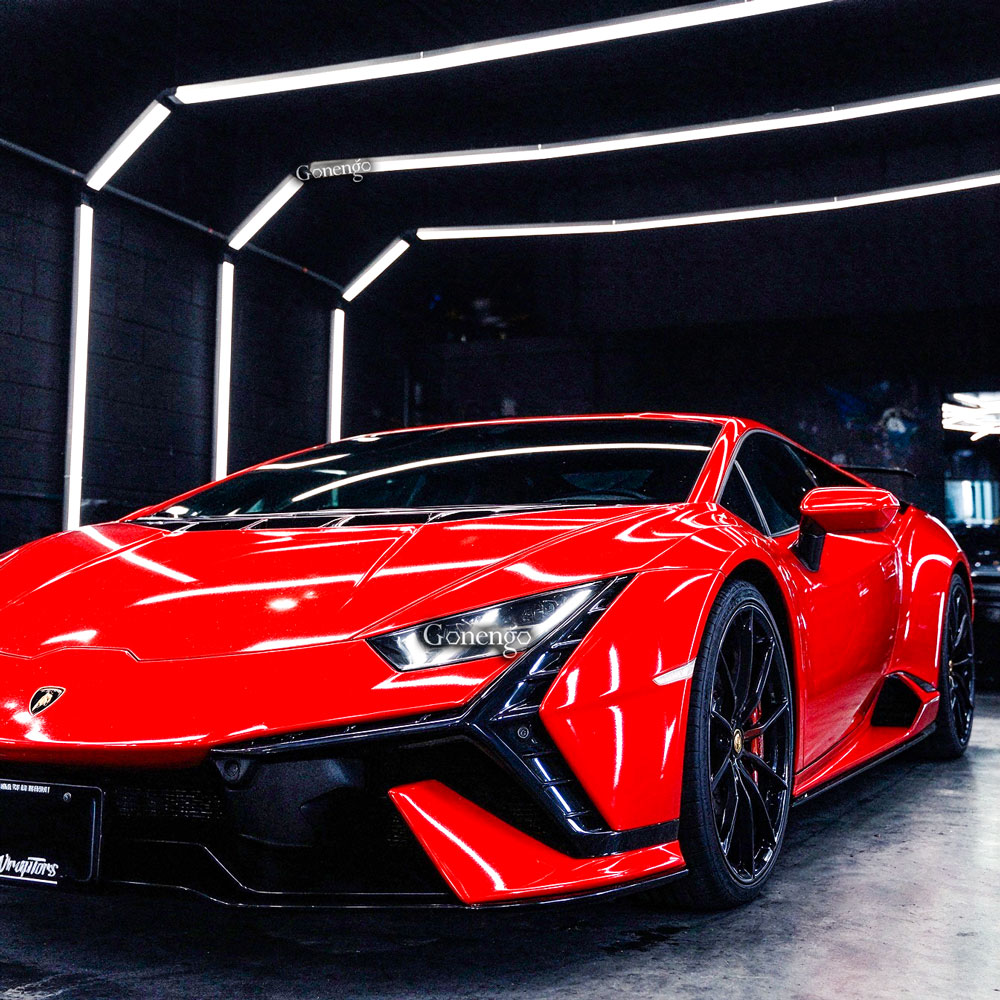
Different repair jobs call for different illumination patterns. When inspecting an engine compartment, I prefer focused light that reveals small leaks and worn connections without producing distracting reflections. During underbody inspections, broader coverage can help me examine pipes, suspension parts, and protective covers. Portable LED inspection lamps for mechanics are useful when I must move between vehicles, while car maintenance LED tunnel lights can provide repeatable coverage in a dedicated inspection area. I also consider mounting height, beam angle, and the distance between the lamp and the vehicle. By matching output to the task, I can reduce dark patches and avoid wasting energy on areas that receive little use. This practical assessment makes my workshop equipment more effective.
Workplace Safety and Equipment Maintenance
I never treat durability as a substitute for electrical safety. In a busy repair shop, I check the lamp’s voltage rating, cable insulation, connector quality, and suitability for exposure to dust, moisture, or cleaning products. I also confirm that any installation follows local electrical codes and the manufacturer’s instructions. Heavy duty garage workshop LED tunnel lights should have documented protection ratings that match the actual conditions where they will operate. For equipment near lifts or moving vehicles, I inspect mounting security and keep cables clear of traffic paths. Regular cleaning, timely inspection, and prompt replacement of damaged components can extend service life. These simple habits help me protect staff, equipment, and the continuity of daily repair work.
Global Patents and International Certifications
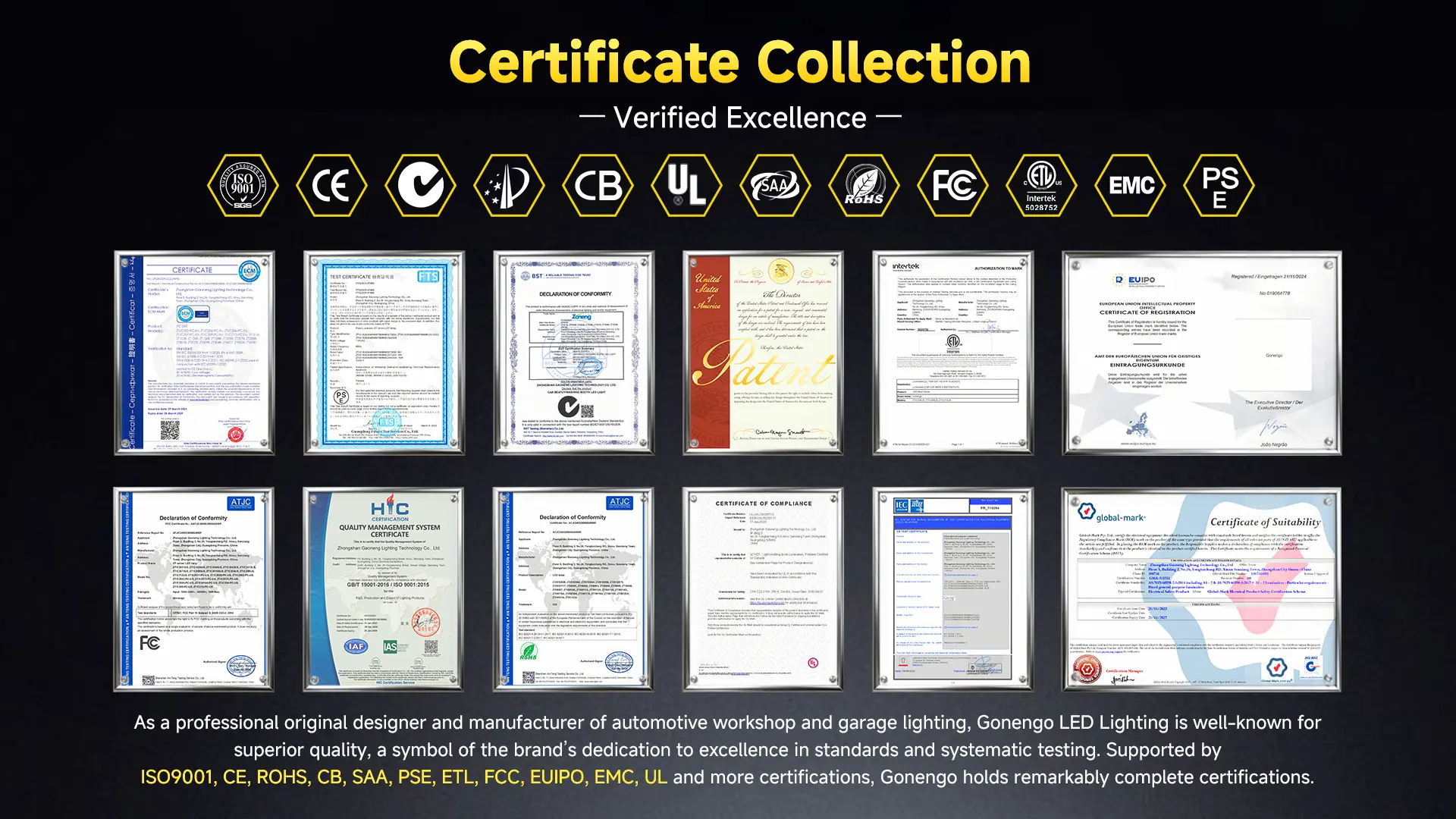
I would give LED tunnel lighting serious attention for my automotive workshop, supported by its reported portfolio of 100+ global certifications and 260+ global patents, offering useful indicators of its international market presence and technical development. Its listed certifications include Australia’s SAA and C TICK, North America’s UL, ETL, and FCC, Europe’s CE and RoHS, the global CB scheme, Japan’s PSE, India’s BIS, and China’s CCC, alongside the ISO 9001 international quality management system standard. Gonengo also reports 17 trademarks, adding to its intellectual property portfolio. For me, these credentials provide useful reference points when reviewing industrial LED tunnel lighting for automotive inspection, durability, and long term workshop use. I would still verify each certificate’s validity, applicable product model, issuing authority, and certification scope before purchasing, so my final decision rests on documented compliance, dependable performance, and suitability for my shop’s operating conditions.
Projecting Future Gains
My final decision comes from comparing expected service life with the total cost of ownership. I consider the purchase price, electricity consumption, warranty coverage, maintenance frequency, and the time lost when a lamp fails. Reliable car workshop LED tunnel lights may cost more initially, but documented performance and accessible support can make them a sensible investment over several years. I request written specifications from suppliers and compare similar products under equivalent operating conditions. I also check whether the manufacturer offers technical assistance and replacement components. For my automotive workshop, the most durable option is not necessarily the brightest or cheapest product. It is the lamp with credible performance data, robust construction, suitable protection, and dependable support that continues delivering consistent illumination throughout everyday repair work.