

Introduction
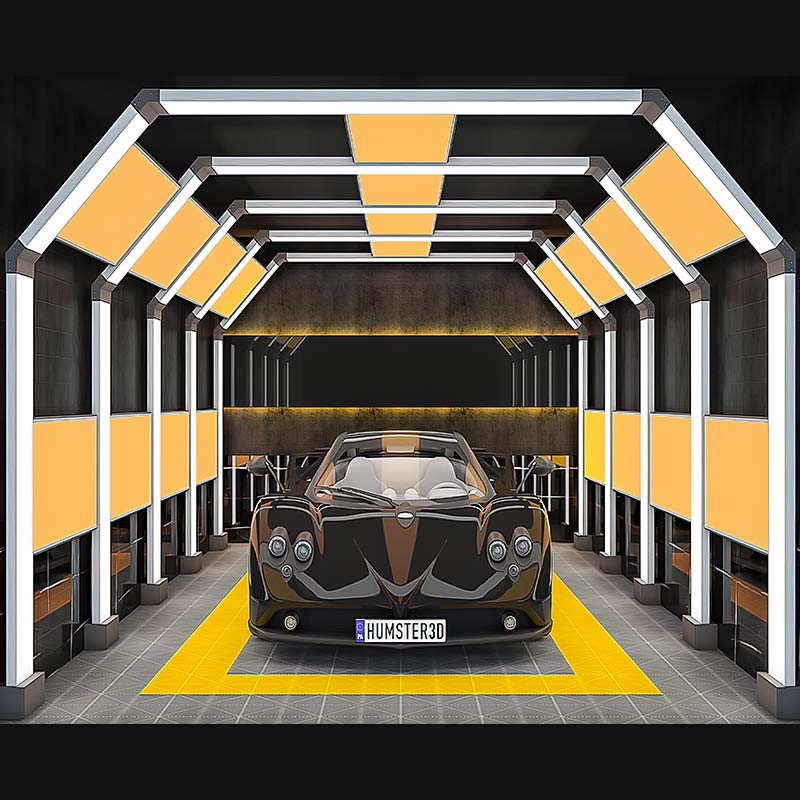
Vehicle lighting tunnel plays a crucial role in ensuring optimal visibility and safety, particularly in hard-to-reach areas. From undercarriage inspections to engine compartments, these tunnels provide essential illumination for mechanics and technicians. In this article, we delve into the intricacies of lighting tunnels design and explore its impact on illuminating difficult vehicle areas. Additionally, we present innovative solutions aimed at improving visibility and efficiency.
Table of Contents
Optimizing Vehicle Lighting Tunnels for Enhanced Visibility
In the realm of automotive maintenance and repair, adequate illumination is paramount for accurate assessments and efficient work. LED tunnel lighting serves as a critical tool in achieving this objective, especially in areas that are challenging to access. Let’s explore various strategies to optimize these tunnels for enhanced visibility:

Factors Affecting Illumination of a Lighting Tunnel
Effective illumination in vehicle led tunnel light is influenced by several factors, including:
Light Intensity: The brightness of the light emitted directly impacts visibility. Higher intensity lights are often preferred for illuminating hard-to-reach areas.
Light Distribution: Uniform distribution of light ensures consistent visibility across the entire workspace within the tunnel.
Color Temperature: The color temperature of light affects visibility and clarity of objects. Neutral white or daylight hues are commonly chosen for accurate color rendition.
Beam Angle: The angle at which light is emitted determines its coverage area. Adjustable beam angles enable customization based on the specific requirements of the vehicle area being illuminated.
Types of Lighting Technologies of a Lighting Tunnel
Various lighting technologies can be employed in vehicle led light tunnel, each offering unique benefits:
LED (Light Emitting Diode): LED lights are energy-efficient, durable, and provide bright illumination, making them ideal for automotive applications.
HID (High-Intensity Discharge): HID lights produce intense illumination and are favored for their high brightness and long lifespan.
Fiber Optic Lighting: Fiber optic systems enable flexible light delivery, allowing for precise illumination in hard-to-reach areas without the need for bulky fixtures.
Design Considerations of a Lighting Tunnel
Optimal design of light tunnels is essential for maximizing their effectiveness. Key design considerations include:
Tunnel Geometry: The shape and dimensions of the tunnel influence light distribution and coverage. Curved tunnels may provide better illumination compared to straight ones.
Fixture Placement: Strategic placement of light fixtures ensures uniform illumination across the entire vehicle area being inspected or worked on.
Heat Dissipation: Adequate heat dissipation mechanisms prevent overheating of light fixtures, ensuring long-term reliability and performance.
Waterproofing: Since vehicle maintenance environments can be prone to moisture and other contaminants, waterproofing measures are essential to protect lighting equipment.
Overcoming Common Challenges of a Lighting Tunnel
Despite their importance, vehicle tunnel lighting faces certain challenges that can hinder their effectiveness. Some common challenges include:
Shadowing: Poorly positioned light fixtures can create shadows, reducing visibility and making it difficult to inspect certain areas.
Glare: Excessive glare from light sources can cause discomfort and visual fatigue for technicians working within the tunnel.
Maintenance Requirements: Regular maintenance is necessary to ensure optimal performance and longevity of lighting systems, adding to operational costs.
Future Trends of a Lighting Tunnel
The future of vehicle tunnel light is characterized by ongoing advancements in technology and design. Some emerging trends include:
Integration with IoT (Internet of Things) platforms for remote monitoring and control of lighting systems.
Adoption of smart sensors for automatic adjustment of light intensity and color temperature based on environmental conditions.
Development of energy-efficient lighting solutions to reduce operational costs and environmental impact.
Maintenance and Upkeep
Proper maintenance and upkeep are essential to ensure the longevity and performance of vehicle lighting tunnel working lights. Regular inspections, cleaning, and replacement of faulty components are key aspects of maintenance protocols. Additionally, staying abreast of technological advancements enables timely upgrades to enhance efficiency and functionality.
Environmental Considerations
Incorporating environmentally friendly lighting technologies and practices is becoming increasingly important in vehicle maintenance facilities. LED lighting, for example, offers significant energy savings and reduces carbon emissions compared to traditional lighting sources. Implementing sustainable lighting solutions aligns with corporate social responsibility initiatives and contributes to a greener automotive industry.
Regulatory Compliance
Compliance with regulatory standards and guidelines is imperative for vehicle maintenance facilities. Lighting tunnel led working lights must meet specific requirements regarding safety, illumination levels, and environmental impact. Regular audits and assessments ensure adherence to relevant regulations and mitigate potential risks.

Conclusion
Optimizing vehicle lighting tunnel car work lights is essential for ensuring optimal visibility, efficiency, and safety in automotive maintenance facilities. By considering factors such as lighting technology, design principles, and environmental sustainability, organizations can enhance the effectiveness of their lighting systems while minimizing operational costs and environmental impact. Embracing innovative solutions and staying abreast of industry trends will enable maintenance facilities to meet evolving needs and standards in vehicle inspection and repair.